
Miami lifestyle and recreation
Miami's best daily life depends on choosing the neighborhood before the itinerary
Miami has more than 150 city parks, while Miami Dade Parks offers more than 200 public parks and a Park Finder. Margaret Pace Park brings waterfront trails, outdoor exercise equipment, tennis, volleyball, a dog area, a playground, and open space to one neighborhood setting. The Museum of Miami adds exhibitions and programs about history, culture, and community.
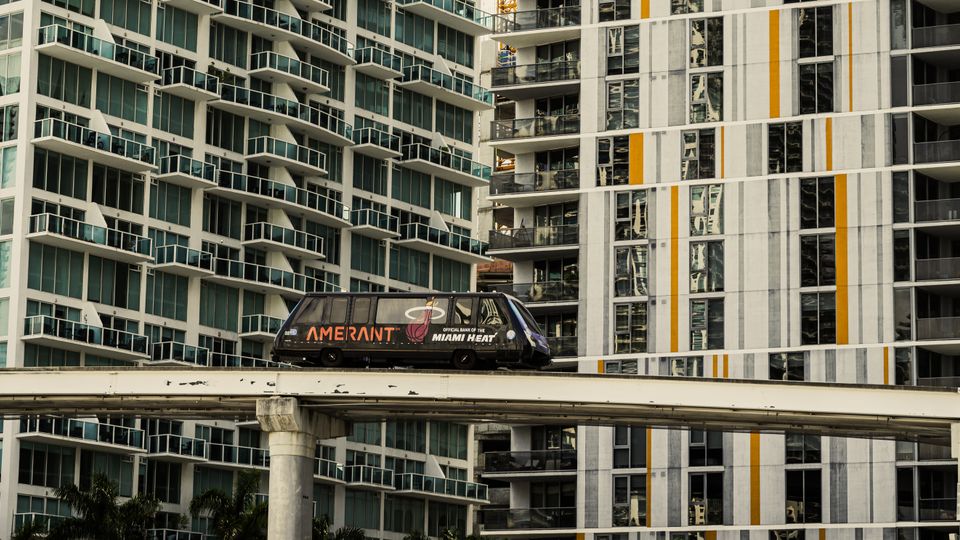
Metromover is free, operates seven days a week, and serves downtown Miami, Omni, and Brickell through 21 stations. The 2024 ACS estimates show 5.2 percent of workers walking to work and 7.1 percent using public transit. Those are work commute measures, not retiree walkability or every daily trip. Among households headed by someone age 65 or older, 31.9 percent have no vehicle, 71.1 percent have broadband at home, and 30.6 percent live alone. These area figures describe household patterns rather than a promise of connection.
Everyday life
Walkability, internet access, age mix, and family visits show how easily familiar places can stay within reach.
- Walkability Estimate
- 3.8 / 5 · Very Good
- Internet Speed
- 347 Mbps
- Age 50+
- 35.7% · Strong 50+ presence
Culture, history and community
Culture, local history, food, and recreation can give visiting family something to share beyond a meal or a drive.
- Family Visit Fit
- Airport connected visit
- Workers Walking to Work (2024 ACS)
- 5.2%
- Workers Using Public Transit (2024 ACS)
- 7.1%
- 65+ Householder — No Vehicle Available
- 31.9%
- Residents 65+ Who Moved in the Past Year
- 7.6%
- Residents 65+ With Broadband at Home
- 71.1%
- Residents 65+ Living Alone
- 30.6%
Miami in everyday life
Could Miami work for you?
What may work well
- More than 150 city parks and more than 200 county parks give households many outdoor choices.
- Margaret Pace Park combines waterfront paths, exercise equipment, courts, a playground, and open space in one neighborhood setting.
- Free Metromover service and the wider Miami Dade Transit network can support selected trips in the right area.
- The Museum of Miami, parks, broadband, and airport connected family visits give the week more than one kind of connection.
What to think about
- The 2024 ACS walking and public transit figures concern worker commutes, not retiree walkability or all daily travel.
- Car ownership is optional in the local information, but the neighborhood and health needs determine how much a household can rely on transit.
- Parks, museums, groceries, care, transit, and family arrivals may be close from one address and demanding from another.
- Heat, rain, traffic, parking, mobility, and current transit alerts can change how often an outing feels practical.
Choose the Miami week around the address
Map one ordinary week
Choose a park, grocery, pharmacy, care destination, museum, meal, and transit stop, then compare each route from the homes under consideration.
Walk and ride in actual weather
Use the 2024 ACS commute figures only as work travel information. Walk, ride, or drive the real routes in heat, rain, shade, traffic, and the conditions you expect to use.
Combine transit and car needs
Decide which trips fit Metromover, Metrorail, Metrobus, rides, or walking, and which trips still need a car, parking, or help from another person.
Plan cultural life and family arrival
Pair parks and waterfront paths with Museum of Miami programs, meals, indoor options, broadband connection, and the airport route that visitors will actually use.
Questions retirees ask
What is there to do in Miami besides the beach?
City and county parks, Margaret Pace Park, waterfront paths, outdoor exercise, museums, exhibitions, meals, transit connected districts, and family visits can give the week several different subjects.
Can I use transit for daily life in Miami?
Miami Dade Transit operates Metrobus, Metrorail, Metromover, MetroConnect, and Special Transportation Service, and Metromover serves downtown, Omni, and Brickell. Route coverage, current service, weather, health needs, and the final walk determine how much a household can rely on it.
Do I need a car in Miami?
Car ownership is listed as optional, but that does not make every address easy without one. Compare groceries, pharmacy, care, family visits, parking, weather, transit, and the routes you will actually repeat.
What do the 2024 ACS walking and transit figures mean?
They describe workers' principal commute choices, with 5.2 percent walking and 7.1 percent using public transit. They do not measure retiree walkability, every daily trip, or whether a household needs a car.
How can connection fit into a Miami retirement?
Parks, museums, meals, broadband at home, family visits, transit connected places, and regular neighborhood services can support different kinds of connection. The 30.6 percent living alone figure is an area pattern, not a prediction about one person's social life.
Miami may suit a retiree who wants parks, waterfront life, museums, transit options, family access, and a neighborhood with several ways to spend an ordinary week. Choose the address around the routes you will really use, then use Save, Compare, or Find my fit.
Sources
Walkability, amenities, recreation, transport, and local character can shape how a place feels to live in.
Errands, evenings, transit, exercise, community, and family visits all matter when choosing where to live.
- U.S. Environmental Protection Agency National Walkability Index
Used for Walkability Estimate
Checked 2026-07-10
- U.S. Census Bureau
Used for Age 50+
Checked 2026-07-18
- OurAirports
Used for Family Visit Fit
Checked 2026-07-19
- U.S. Census Bureau
Used for Workers Walking to Work (2024 ACS), Workers Using Public Transit (2024 ACS)
Checked 2026-07-18
- U.S. Census Bureau
Used for 65+ Householder — No Vehicle Available
Checked 2026-07-18
- U.S. Census Bureau
Used for Residents 65+ Who Moved in the Past Year
Checked 2026-07-18
- U.S. Census Bureau
Used for Residents 65+ With Broadband at Home
Checked 2026-07-18
- U.S. Census Bureau
Used for Residents 65+ Living Alone
Checked 2026-07-18
Partnerships never affect rankings, scores, methodology, or inclusion.
Partner with Retirement ListsResearch and writing byGrant Gibson
How this city research is made
Retirement Lists uses documented public sources and methods to research, review, and correct city information. Read our Editorial Policy.